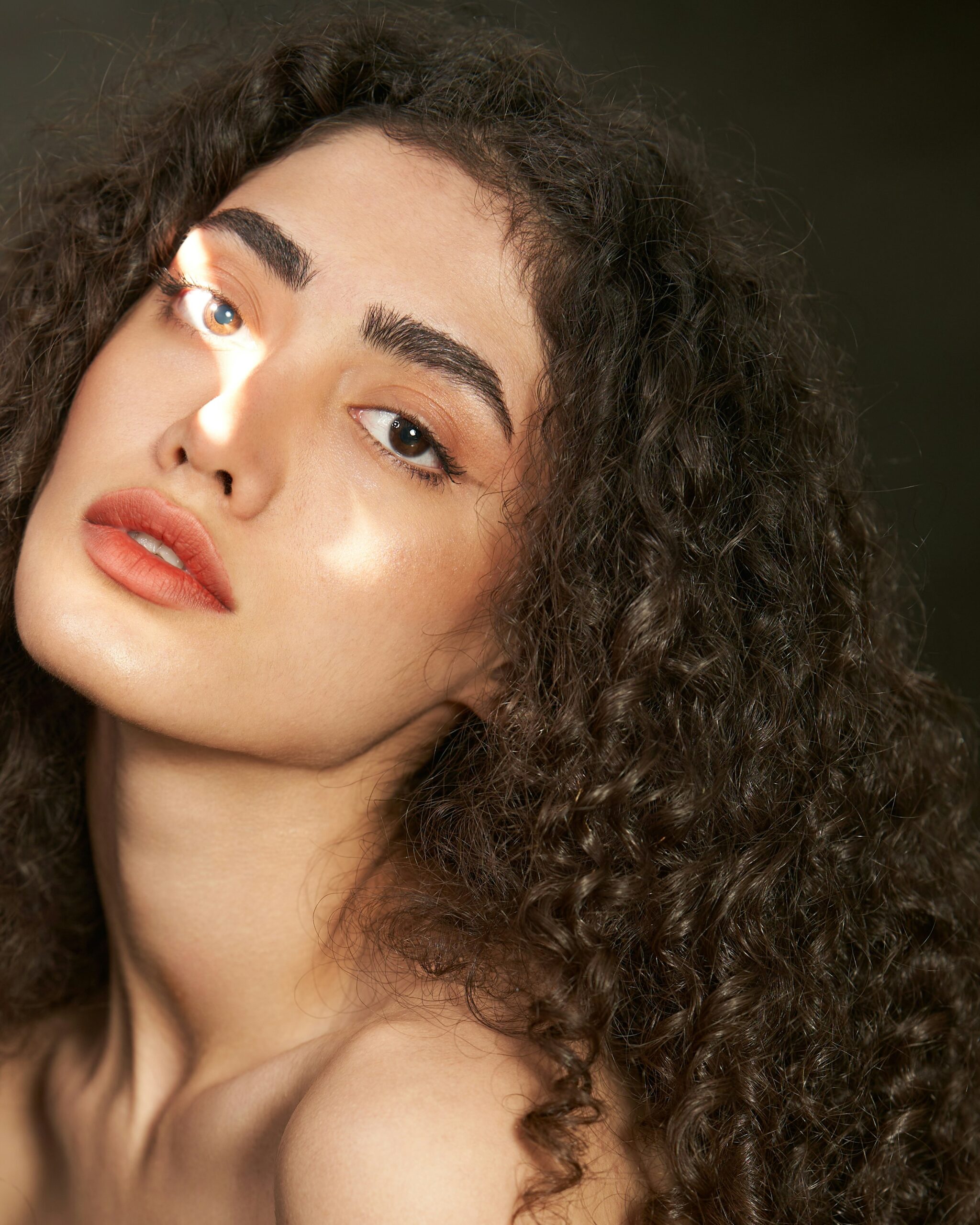
Frizzy hair is one of the most common hair concerns people experience, but fixing it is not always as simple as applying more products. Many people search for how to fix frizzy hair because their hair looks dry, feels rough, becomes difficult to style, or loses its smooth appearance shortly after washing.
Here’s Why Hair Frizz Occurs The most likely culprit for frizzy hair are an absence of moisture, damage to the hair, environmental factors and even your habits. Hair soaks up moisture from the air and when your cuticle has been raised or damaged, your texture is all over the place and causes the look of frizz. The good news is you can most likely conquer the look of frizz simply by understanding what it needs and stopping the cycle of product experimentation.
Instead of loading up on different products, you can take a different approach that includes moisturizing, being gentle and offering protection.
Our guide to all things frizzy hair including: The science of frizzy hair; How to get rid of frizzy hair; What causes your hair to frizz; Who is the worst enemy to your frizz? ; The do’s and don’ts when fighting frizz.
Why This Topic Matters
Frizz is commonly regarded as a styling problem but in fact could be evidence of hair which is not receiving moisture, damaged hair or hair which is being exposed to elements that harm the hair’s integrity. The typical response from some is to lather thick, nourishing oils through their hair, to use extreme hair styling solutions, or repeatedly blow hair with intense heat. All of these methods might briefly calm down the hair’s surface layer but they don’t necessarily correct the underlying issue. It is because the best treatment strategy is influenced by the source of the hair frizz that the cause needs to be properly diagnosed.
For example:
- Hair that becomes frizzy after washing may need better moisture balance.
- Hair that becomes rough after heat styling may need protection and repair-focused care.
- Hair that expands in humid weather may need techniques that help seal and protect the hair surface.
While not addressing the issue might not seem that serious, dealing with consistent frizz could cause breakage and split ends, ultimately making it harder for you to adhere to your hair regimen. The professional hair stylists will check into what type of hair you have, the chemical processing of your hair, whether it’s dyed or permed, your shampoo, the tools you use to dry or style it, and the environment your hair is exposed to, prior to suggest any adjustments.
Understanding Why Hair Becomes Frizzy
Before you learn how to fix frizzy hair, it helps to understand what causes it
All hair contains an outer layer called the cuticle which offers the hair protection. The hair which has smoother cuticles is likely to be shiner because it reflects light.
If the cuticle lifts, feels rough, or becomes damaged, moisture can move in and out of the hair unpredictably, leaving it feeling frizzy fluffy and difficult to tame. We can often find this in the style we recognise as ‘frizz’, there are a variety of causes of this
Lack of Moisture
One of the primary frizz culprits is hair that is dry. When hair isn’t sufficiently hydrated, it seeks out and absorbs moisture from the air. When the humidity is high, this can make the hair strands expand and start to lose their form. For those with naturally curly and wavy hair, it’s particularly true, as the oil that the scalp produces may struggle to reach the end of the curly strands.
Heat Damage
Frequent use of:
- Flat irons
- Curling tools
- Blow dryers
- High-temperature styling devices
can weaken the hair structure over time.
Although heat on hair itself doesn’t inherently causes any harm, if you overuse heat tools on your hair without proper care and protection, your hair might become brittle, prone to frizz.
Overwashing Hair
Washing your hair frequently canstrip the natural oils that your hair needs to be soft and pliable. Not to say we all need the same routine! How often you need to wash depends on whether your hair is oily, dry, wavy or curly; whether you have an oily scalp; how active your lifestyle is; and what kind of product your hair prefers.
Environmental Factors
The elements make a big difference too: The air might be moist outside, which is how someone’s hair can appear sleek indoors and then look like a total mess after just a few hours out. Other weather factors, such as dry air, wind and smog can also affect your mane.
How to Fix Frizzy Hair Naturally and Effectively
Start With the Right Washing Routine
Don’t just use the shower to get rid of all oil and dirt – make sure it actually leaves some moisture in the hair to create balance. A milder shampoo with more attention to just the scalp (instead of scrubbing down the whole length) could make a big difference, especially on the longer sections of your hair that have been around for a longer time and may be prone to dryness and breakage. Condition, after shampoo, can go from the middle downwards, with most emphasis on the hair ends, as that’s where you need to smoothen the hair surface the most.
Improve Your Drying Technique
The way you dry your hair can make a big difference in how much frizz you get.
Many people create friction by aggressively rubbing their hair with a regular towel. This rough movement can disturb the hair cuticle and create more puffiness.
Instead:
- Gently squeeze excess water.
- Use a microfiber towel or soft cotton fabric.
- Avoid twisting hair tightly while wet.
Wet hair is more vulnerable because it stretches more easily and can break under stress.
A simple change in drying technique can make hair appear smoother without adding new products.
Choose Hydrating Hair Products
Frizzy hair often benefits from ingredients designed to improve moisture retention and smoothness.
Common ingredients found in moisturizing hair products include:
- Glycerin
- Aloe vera
- Natural oils
- Shea butter
- Lightweight conditioning agents
Ultimately, product choice depends on your hair type. Your thin strands can get bogged down by creamy oils and moisturizers and your thick or curly strands may need extra conditioning. The intention isn’t to put as many products in your hair as you possibly can, the goal is to get the appropriate amount of moisture in without piling anything up on top.
Use Leave-In Conditioner for Extra Control
They also may want a leave in conditioner if they have trouble with frizz everyday. The leave in product stays in the hair where the conditioner is rinsed out to continue to add moisture to your hair.
They are especially helpful for:
- Curly hair
- Dry hair
- Color-treated hair
- Hair exposed to heat styling
Use a small amount on damp hair and spread it through evenly.
Using too much product can create a heavy appearance, so start with a small quantity and increase only if needed.
Protect Hair Before Heat Styling
Heat styling is one of the most common reasons people experience long-term frizz.
If you frequently use styling tools, heat protection should become part of your routine.
A heat protectant helps reduce direct exposure between high temperatures and the hair surface.
Professional stylists often recommend:
- Using moderate heat settings
- Avoiding repeated passes over the same section
- Allowing hair to dry partially before using hot tools
Healthy styling habits areoften more effective than trying to repair heavily damaged hair later.
How to Fix Frizzy Hair: 9 Powerful Solutions, Common Mistakes, and Expert Tips
Build a Hair Routine That Matches Your Hair Type
Why people battle with fizz: Most of us stick with generic “rules” of hair care instead of catering to their own hair type. Our hair density, porosity, and lifestyle factors play a role in how our hair reacts to particular products and routines. Take for instance someone who has fine, straight hair and heavy oils can weigh hair down, vs those with thicker curly hair who find lighter products leave the ends dry.
For Curly or Wavy Hair
Curly and wavy hair often experiences more visible frizz because natural scalp oils have a harder time traveling through curved strands.
Helpful habits include:
- Avoid brushing dry curls aggressively.
- Apply moisturizing products while hair is damp.
- Use techniques that preserve the natural curl pattern.
- Avoid excessive heat styling.
The goal is not always to eliminate every strand of frizz because some texture is natural. Instead, the goal is to improve definition and reduce unwanted dryness.
For Straight Hair
Straight hair can also become frizzy, especially when damaged or dehydrated.
Common causes include:
- Excessive brushing
- Heat damage
- Product buildup
- Environmental exposure
Lightweight conditioning products and gentle styling methods are often more suitable.
Common Mistakes That Make Frizzy Hair Worse
Most people are buying products for hair that will add frizz and aren’t giving it a break with bad habits. Sometimes a simple adjustment in one of those daily practices could result in a much better change than buying yet another product.
Washing Hair With Very Hot Water
Hot water causes the hair cuticle to open, leading to dryness and an unwanted feeling of coarseness. Lukewarm water is best for your daily hair rinse. Rinsing with cooler water after washing can smooth the hair cuticle but won’t “lock” it down the way beauty blogs would have you believe.
Brushing Hair Too Aggressively
Brushing is not harmful by itself, but rough handling can create unnecessary stress.
Pulling through knots forcefully can lead to:
- Breakage
- Split ends
- More uneven texture
A better approach is starting from the ends and gently working upward.
This reduces tension on the hair shaft.
Applying Too Much Oil
Oil is often recommended for dry or frizzy hair, but more is not always better.
Heavy oil application can:
- Make hair appear greasy
- Create buildup
- Make washing more difficult
Oils mainly help reduce moisture loss and improve softness. They do not replace water-based hydration.
A balanced routine usually combines hydration with protective ingredients.
Sleeping Without Protecting Hair
Nighttime friction can contribute to roughness, especially for people with longer hair.
While everyone does not need special bedding, reducing unnecessary friction can help.
Simple habits include:
- Avoid sleeping with wet hair.
- Use a loose hairstyle if tying hair back.
- Avoid tight elastics that pull on strands.
Troubleshooting: Why Is My Hair Still Frizzy?
Sometimes people follow a hair care routine but see little improvement. In these situations, the problem may be related to the wrong solution being applied.
| Problem | Possible Reason | What to Try |
| Hair looks smooth after washing but becomes frizzy later | Moisture loss during the day | Use leave-in conditioning and reduce environmental exposure |
| Hair feels rough despite using oils | Hair may need hydration, not only oils | Add moisturizing products |
| Frizz appears after straightening | Heat damage or lack of protection | Reduce heat frequency and use protectant |
| Hair feels heavy and greasy | Too much product buildup | Use lighter products or clarify occasionally |
| Ends are always dry | Older damaged sections need extra care | Trim damaged ends and improve conditioning |
The important point is identifying the cause instead of randomly changing products.
Expert Tips for Managing Frizzy Hair
Professional hairstylists often focus on prevention because damaged hair is harder to restore completely.
Here are practical observations commonly used in professional hair care:
Focus on Hair Health Before Styling
A smoother appearance usually comes from healthier hair habits, not just styling products.
If hair is constantly exposed to high heat, harsh treatments, or rough handling, temporary smoothing products may only hide the problem.
Improving the condition of the hair often creates longer-lasting results.
Avoid Chasing Perfectly Frizz-Free Hair
A common misconception is that healthy hair should have absolutely no frizz.
In reality, natural hair has movement and texture. Even healthy curly, wavy, and straight hair can show some flyaways depending on weather and styling.
The realistic goal is controlled, healthy-looking hair rather than completely eliminating natural texture.
Adjust Your Routine During Weather Changes
Many people notice their hair behaves differently in summer compared with winter.
Humidity can increase expansion and puffiness, while dry winter air can increase static and roughness.
Your routine may need seasonal adjustments, such as:
- More lightweight moisture in humid conditions
- More conditioning support in dry weather
Real-World Example: A Simple Frizz Improvement Journey
Consider someone who washes their hair daily, uses a flat iron frequently, and notices increasing dryness.
Their first reaction might be buying a stronger smoothing product.
However, the bigger improvements may come from changing habits:
- Washing less aggressively
- Reducing unnecessary heat exposure
- Adding proper conditioning
- Improving drying technique
After several weeks of consistent care, the hair may become easier to manage because the underlying causes are being addressed.
This example shows why frizz management is usually about routine changes rather than one single miracle solution.
Hair Care Comparison: Quick Fixes vs Lasting Results
| Temporary Approach | Long-Term Approach |
| Heavy styling products | Consistent moisture routine |
| Frequent heat smoothing | Heat protection and controlled styling |
| Covering damage | Preventing further damage |
| Random product changes | Understanding hair needs |
| Quick appearance improvement | Better overall hair condition |
Temporary methods can be useful before an event or special occasion, but long-term improvement comes from healthier habits.
Case Study: Managing Humidity-Related Frizz
A common situation is someone whose hair looks smooth at home but becomes frizzy after spending time outdoors.
The issue is often not that the hair suddenly became damaged. Instead, humidity changes how moisture interacts with the hair.
A practical approach may include:
- Applying a lightweight leave-in product before going outside
- Avoiding excessive brushing during the day
- Protecting hair from unnecessary heat
- Choosing styles that work with natural texture
The lesson is that environmental conditions matter. Hair care should consider where and how your hair is exposed.
Conclusion
Learning how to fix frizzy hair starts with understanding why frizz happens instead of simply trying more products. Dryness, damage, weather conditions, and daily habits all influence how hair looks and feels.
A consistent routine of gentle cleansing, conditioning, and controlled drying can make a world of difference with time and help your hair feel smoother and more manageable. It doesn’t mean to strip the very essence of your hair. Natural movement and life can be a real advantage to your mane too, it’s about achieving a healthier, more comfortable hair you want to live with.
Frequently Asked Questions About How to Fix Frizzy Hair
Can frizzy hair become smooth again?
It depends on the reason your hair is frizzy, but often, frizzy hair can soften and become much easier to manage. Dry hair might benefit greatly from moisture, but if hair has been severely treated with chemicals, you might just need to trim it off.
Why does my hair become frizzy after washing?
Hair gets frizzy when washed due to dry hair, excessive friction, and improper products. Handling your hair properly after washing the hair plays a big role.
Does cutting hair reduce frizz?
The hair will be less frizzy because any broken and split hair ends can cause frizzy. However the only solution to solve is that, the reason for split ends must be from dryness and heat damage and that does not help the hair just with hair cutting.
Is frizz a sign of unhealthy hair?
Not always! You may be predisposed to frizz if your hair texture is not naturally that smooth. Nonetheless, a sudden spike in your frizz could signal dryness, damage or changes in routine.
How often should I wash frizzy hair?
However, there is no strict time because all hair types need and behave differently. So, if you have naturally curly or dry hair, you may be a “less often washer,” whereas those with naturally oily hair may wash hair very regularly.
Can natural remedies fix frizzy hair?
While certain natural ingredients can help add softness on a temporary basis, the results aren’t guaranteed. A good hair routine with the right hair care techniques is typically more beneficial.