Over recent times, there has been an increase in the usage of builder gel, primarily among those seeking harder, longer and more robust nails. As opposed to normal gel polish which just offers a coating over the nail, builder gel actually provides structure and reinforcement making it ideal for individuals who have naturally brittle, thin or easily broken nails. is builder gel bad for your nails?
One of the most common questions people ask is, “Is builder gel bad for your nails?” Truth be told,builder gel, when applied, maintained and removed correctly, is not inherently bad. Many issues related to builder gel actually stem from incorrect nail prep, excessive filing, or pulling the product off instead of proper removal methods.
If you’re wondering, is builder gel bad for your nails,Ultimately, like any nail enhancement, builder gel has good and bad points, so it’s worth knowing more about how it works, what you should look to avoid, and how to look after your natural nails in order to help you get what you want whilst keeping your natural nails as healthy as can be.
What Is Builder Gel?
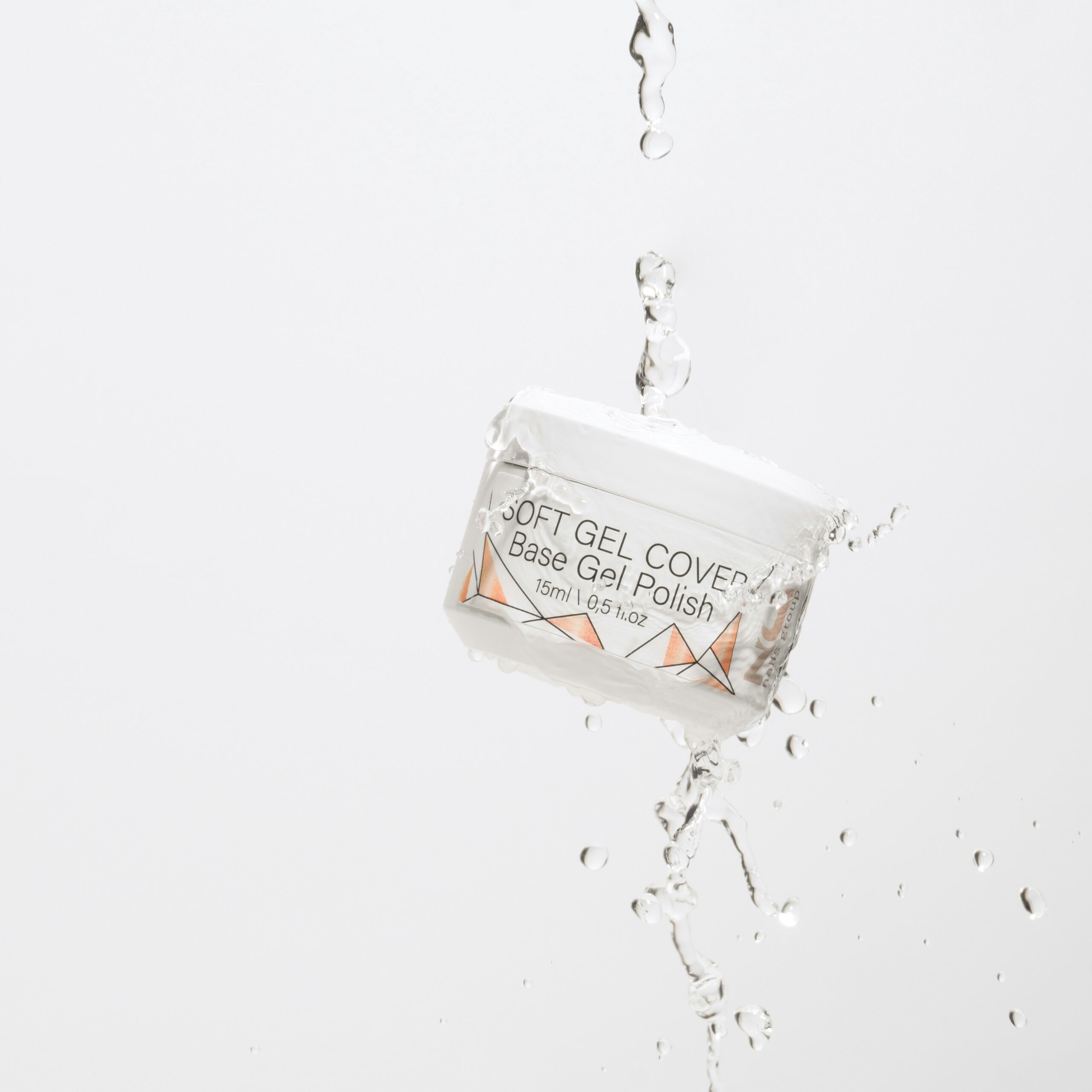
If you’re asking, is builder gel bad for your nails, To properly understand it we should first understand what is the builder gel. Builder gel is an extremely thick gel nail enhancement for use in adding strength, structure, and resilience to your existing nails. They are then cured under a UV or LED lamp to produce a tough finish which overlies your existing nail. Unlike standard gel polishes, that simply add colour and gloss to the nail, the builder gels are built in the to create a firmer substrate. It can be used to:
- Reinforce natural nails
- Add extra thickness and strength
- Create short or long nail extensions
- Repair weak areas
- Improve the appearance of uneven nails
Depending on what type of builder gel you use (there is a hard version and a soak-off version), builder gel may have different application or removal. The hard versions would need to be removed carefully filing, whereas the soak-off would simply break down in acetone. In the mean time as builder gel adds strength to your nails you’ll probably notice that you can grow them longer, as you wouldn’t be breaking them
Is Builder Gel Bad for Your Nails?
Is builder gel bad for my nails? Builder gel is not bad for healthy nails if applied properly. A well applied builder gel manicure will not damage your natural nails. Actually, builder gel can be used as a nail strengthener to keep weak nails safe.
However, the condition of your nails depends heavily on the application and removal process.
The main causes of nail damage are usually:
- Filing away too much of the natural nail
- Removing gel by peeling or pulling
- Using poor-quality products
- Applying gel over unhealthy nails
- Leaving damaged or lifted product untreated
A professional application focuses on adding strength without unnecessarily thinning the natural nail underneath.
How Builder Gel Can Actually Help Your Nails
Although some people worry that nail enhancements automatically cause damage, builder gel can offer several protective benefits when used responsibly.
Provides a Protective Barrier
Every day your natural nails endure pressure from washing hands, cleaning, typing, exercising, and everything else. An overlay applied with builder gel forms a shell over your natural nails, taking on a degree of impact instead of directly on your nail plate. If your nails break or peel often, this support can help you to maintain length.
Helps Prevent Breakage
Your nails can break on their own when weak and have the tendency to bend upon pressure. The builder gel works as the frame and forces are equally distributed to the nail by structure. It can’t prevent breaks on impact, but will surely protect the normal daily break by little pressure.
Supports Nail Growth
Some people notice improved nail length while wearing builder gel because the enhancement prevents accidental breakage. The gel does not make the natural nail grow faster, but it can help preserve the length that would otherwise be lost.
When Can Builder Gel Damage Your Nails?
The answer to is builder gel bad for your nails often depends on how it is applied and removed.
Several mistakes can turn a protective manicure into a damaging experience.
Over-Filing During Preparation
Before applying builder gel, the nail surface is usually prepared so the product can adhere properly. However, excessive filing can thin the natural nail plate.
The goal should be gentle preparation, not removing layers of the nail.
Over-filed nails may become:
- Thin
- Sensitive
- Weak
- More likely to peel
Professional nail technicians typically focus on creating proper adhesion while preserving as much natural nail as possible.
Incorrect Removal Methods
Removal is one of the biggest factors affecting nail health.
Many people damage their nails by:
- Peeling off builder gel
- Scraping aggressively
- Using excessive force
- Removing product before it has properly softened
Builder gel bonds strongly to the nail. When it is pulled away, layers of natural nail may come with it.
Safe removal requires patience. The method depends on whether the product is a soak-off builder gel or a hard gel that requires filing.
Builder Gel vs. Natural Nails: What Actually Happens?
“A major myth of builder gel is that your natural nails get weakened after removing it for good. The truth is that you should still have normal growing nails under the enhancements.
“Nails are actually keratin – which is a solidified protein from your nail bed underneath the skin. When products touch the surface of your nail, it does not change how your body makes your nail in any shape or form.”
Temporary weakness usually occurs because of physical damage to the nail plate, such as:
- Excessive filing
- Trauma from removal
- Repeated picking
- Improper application
Once the damaged portion grows out, the nail can return to its normal condition.
Who Should Be Careful With Builder Gel?
Although many people can safely wear builder gel, certain situations require extra caution.
People With Already Damaged Nails
If your nails are extremely thin, peeling, cracked, or painful, applying enhancements may not solve the underlying problem. It may be better to focus on restoring nail health first.
People With Nail Infections
Builder gel should not be applied over nails showing signs of infection or unusual changes. Covering an unhealthy nail can make it harder to notice problems.
Signs that require attention may include:
- Significant discoloration
- Pain
- Swelling around the nail
- Separation between nail and skin
- Unusual changes in texture
People Sensitive to Gel Products
People can experience a sensitivity or allergic reaction to the ingredients in gel products, such as itchiness, redness, irritation or swelling around the nails. If you have a strange reaction after using builder gel,stop using the product and speak to a professional.
Is Builder Gel Bad for Your Nails? Understanding the Risks and How to Use It Safely
Can Builder Gel Damage Your Natural Nails?
Builder gel itself is not automatically harmful to healthy nails. The product is designed to add strength, structure, and durability to the natural nail surface. Many people use builder gel successfully for months without experiencing serious problems. However, the condition of your nails often depends less on the gel itself and more on how it is applied, maintained, and removed.
Most nail damage associated with builder gel happens because of improper techniques rather than the material alone. Excessive filing, aggressive removal, picking at lifted product, or applying gel over unhealthy nails can weaken the nail plate over time.
A properly applied builder gel overlay should sit on top of the natural nail without causing unnecessary thinning. The goal is to create a protective layer while allowing the natural nail to grow underneath.
Common Mistakes That Make Builder Gel Harmful
Even though builder gel can be a safe enhancement option, certain habits increase the chance of nail problems.
Removing Builder Gel by Peeling or Picking
One of the biggest mistakes people make is pulling off builder gel when it starts lifting. Because the product bonds tightly to the nail surface, peeling it away can remove layers of the natural nail along with the gel.
The natural nail is made of multiple thin layers of keratin. When those layers are torn away repeatedly, nails may become:
- thinner
- weaker
- more flexible
- prone to splitting
- sensitive to pressure
A small amount of lifting may seem harmless, but forcing the product off can create much more damage than leaving it properly removed.
Over-Filing the Natural Nail
Preparation is an important part of a builder gel service, but too much filing can compromise nail strength.
Some technicians lightly remove surface shine to improve adhesion. This should not involve aggressively thinning the nail plate. Excessive filing can make the nail feel weak and sensitive.
A healthy application focuses on proper preparation rather than removing unnecessary layers of the natural nail.
Leaving Lifted Gel Attached
It sounds harmless when you consider it’s just a small lifted edge…but, lifting creates space between the gel and your natural nail, and that space can attract moisture and debris. Not all lifted nails will develop a issue, but the longer you leave lifting, the higher the possibility of skin or nail irritation. Lifting will inevitably require attention at some stage – it’s best to have it tidied or removed as soon as it’s noticed.
Is Builder Gel Safer Than Acrylic Nails?
The comparison between builder gel and acrylic nails depends on the application process, product quality, and removal method.
Builder gel is often preferred by people who want a lighter enhancement with a more flexible feel, making it a popular choice among those exploring professional nail enhancement techniques. Acrylic tends to create a harder, more rigid structure. However, neither option is automatically “good” or “bad” for nails.
The potential risks are usually connected to:
- how the nail is prepared
- how the product is applied
- how long enhancements are worn
- how removal is performed
- whether the nails are given proper care
A skilled professional using correct techniques can apply either type of enhancement while minimizing unnecessary damage.
Signs Your Nails May Need a Break From Builder Gel
Builder gel users should pay attention to changes in their natural nails. While many issues are temporary, noticeable changes can be a sign that your nails need recovery time.
Possible warning signs include:
- increased nail peeling
- unusual softness
- pain or tenderness
- persistent sensitivity
- changes in nail texture
- discoloration that does not improve
- repeated lifting after application
Taking a break allows you to observe the natural condition of your nails and determine whether the product or the application process may be causing problems.
How to Protect Your Nails While Wearing Builder Gel
Healthy nail habits are just as important as choosing the right product.
Keep Nails Properly Maintained
Regular maintenance appointments help prevent problems caused by excessive growth, lifting, or cracks. Waiting too long between appointments may allow small issues to become larger ones.
The ideal schedule depends on how quickly your nails grow and how well the enhancement remains attached.
Avoid Using Nails as Tools
Builder gel enhances the strength of the nails, however it cannot make them completely resistant to breakage. Applying undue pressure onto the enhanced natural nail such as using it to open cans, scrape things and remove sticker residue can cause damage to the nail enhancement as well as the underlying natural nail. This pressure can lead to the enhancement cracking or lifting. This is often caused by mechanical pressure and is a major reason for nail breakages.
Moisturize the Nail Area
Although builder gel creates a protective coating, the surrounding skin and cuticles still need care.
Using cuticle oil or a moisturizing product can help maintain healthier-looking nails and prevent dryness around the nail edges.
Hydrated skin also makes the manicure look cleaner and more comfortable.
What Happens During Builder Gel Removal?
Removal is one of the most important stages in protecting nail health.
Depending on the specific builder gel formula, removal may involve soaking, filing, or a combination of techniques. Some builder gels are designed to be soaked off, while others require careful filing by a professional.
The goal is to remove only the artificial product while preserving as much of the natural nail as possible.
A safe removal process should never involve:
- ripping the product away
- scraping aggressively
- forcing stubborn areas off
- excessive pressure on the nail surface
If removal feels painful, that is usually a sign that the process is too aggressive.
Can Builder Gel Cause Allergic Reactions?
Some people may experience sensitivity or allergic reactions to ingredients found in gel products. One ingredient commonly discussed in nail product allergies is acrylates, which are present in many artificial nail systems.
Possible signs of sensitivity may include:
- itching around the nails
- redness
- swelling
- irritation
- skin peeling near the nail area
A reaction can occur even after previous successful use, so new symptoms should not be ignored.
If irritation develops, stopping use and seeking professional medical advice is recommended, especially if symptoms continue.
How Professionals Reduce Builder Gel Risks
Generally, qualified nail technicians prioritize these three factors. Prep, Application and Removal. Application – using just enough of the product and ensuring they are cured properly with the right lamps.
Prep – cleans the surface of the nail without causing any unnecessary trauma.
Removal – patience is the key here rather than strength!
Common Myths About Builder Gel

Myth: Builder Gel Completely Damages Natural Nails
Builder gel does not automatically destroy nails. Damage usually comes from incorrect practices, such as improper removal or excessive filing.
Myth: Stronger Nails Mean Healthier Nails
Builder gel can make nails appear stronger because it creates a protective layer. However, the enhancement itself is not the same as improving the biological health of the nail.
Healthy nails still depend on normal growth, nutrition, hydration, and avoiding repeated trauma.
Myth: You Must Always Take Long Breaks Between Applications
There is no universal rule that everyone must stop using builder gel after a certain amount of time. Some people can wear it continuously with proper maintenance, while others may need breaks if their nails become weak or irritated.
The condition of your nails should guide your decision.
Expert Tips for Safer Builder Gel Use
For people who enjoy builder gel manicures, a few simple habits can make a significant difference:
Choose a qualified nail professional who follows hygiene practices.
Avoid applying gel over damaged or irritated nails.
Do not ignore lifting or cracks.
Never remove builder gel by force.
Follow proper curing instructions for the product being used.
Pay attention to changes in your natural nails.
A healthy manicure routine focuses on both appearance and nail health.
Long-Term Effects of Using Builder Gel Regularly
How does builder gel affect natural nails with long-term use?
Many want to know if a build gel mani for months or years will forever damage the nails, and the response relies on the overall upkeep. There is no reason to anticipate for build gel to prevent normal nail advancement or everlastingly spoil natural nails so long as it’s done correctly.
Having said that, the repeated force from a bad set of maintenance and removal procedures will have an influence over time.
Repeated poor behavior is often more connected to a few months or years of doing: the nail surfaces being aggressively buffed. Picking the gel completely. Not getting rid of all the gel when a fresh set is needed. Not finding the cues to have a rest.
An individual that can take care of the fingernail will certainly likely find very different consequences than another individual who has had the surface layer damaged time after time at the removal time.
The healthy and balanced fingernail will grow in your fingernail matrix, which is the spot just under the skin just beneath your fingernail that manufactures all the new fingernail cells. Trauma around this area takes a longer period to recuperate since all the other areas of your fingernail have to also develop.
How to Help Nails Recover After Builder Gel
If your nails feel weak after removing builder gel, they usually need time and gentle care rather than harsh treatments. The visible nail plate cannot repair itself once damaged because it is made of dead keratin cells, but new growth can gradually replace weakened areas.
Helpful recovery habits include:
Keep Nails Short Temporarily
Shorter nails experience less bending and pressure. If the nail plate has become thin or flexible, reducing length can prevent additional breaks while healthier nail grows out.
Avoid Repeated Enhancements for a Short Period
If your nails are showing signs of stress, allowing time between applications can make it easier to monitor their natural condition.
This does not mean everyone needs to stop using builder gel permanently. Instead, it allows you to identify whether your nails improve when they are free from enhancements.
Use Gentle Nail Care Products
Moisturizing the cuticle area and protecting hands from excessive dryness can improve comfort and appearance.
Cuticle oil, hand creams, and protective gloves during household cleaning can help reduce unnecessary stress on the nail area.
Builder Gel Alternatives to Consider
If you’re looking to strengthen and improve the look of your nails, builder gel is just one option to consider.The best choice depends on your nail goals, lifestyle, and tolerance for maintenance.
Regular Nail Polish
Traditional nail polish is the least intensive option because it does not create a hardened artificial layer. It can be easier to remove and change frequently, although it generally does not provide the same durability as builder gel.
Gel Polish
Gel polish offers longer wear than regular polish but usually provides less structure and reinforcement than builder gel. It may work well for people who want color and shine without significant nail extension or strengthening.
Nail Strengtheners
Some people choose nail strengthening treatments designed to improve the feel of weak nails. Results vary because these products cannot change the basic structure of existing nail growth, but they may help protect the surface.
Press-On Nails
Modern press-on nails can be a temporary alternative for special occasions. Their impact on natural nails depends heavily on the adhesive used and how carefully they are removed.
When Should You Avoid Builder Gel?
Although many people can safely use builder gel, there are situations where applying enhancements may not be a good idea.
Avoid or delay builder gel if you have:
- open cuts around the nail area
- signs of infection
- unexplained nail discoloration
- severe nail splitting
- irritation from previous nail products
Applying artificial products over existing problems may make it harder to monitor changes or may increase discomfort.
If you notice persistent nail abnormalities, a healthcare professional or dermatologist can help determine the cause.
Understanding the Difference Between Weak Nails and Damaged Nails
People often describe nails as “weak” when they may actually be experiencing different issues.
Weak nails may naturally bend or peel because of genetics, environmental exposure, dryness, or everyday wear. Damaged nails, however, may result from physical trauma, harsh treatments, or improper product removal.
Builder gel can sometimes hide nail problems because the enhancement creates a smooth, strong surface. This is why occasional checks of your natural nails are useful.
How to Decide If Builder Gel Is Right for You
Is Builder Gel Bad for Your Nails? Here’s What You Need to Know.does not have a simple yes-or-no answer. For many people, builder gel can be a practical cosmetic enhancement when applied and removed correctly.
The better question is whether the entire nail care routine supports healthy nails.
Consider these factors:
Your nail condition: Healthy nails usually tolerate enhancements better than already damaged nails.
Your maintenance habits: Regular care and proper removal play a major role.
Your sensitivity: If you experience irritation or allergic reactions, builder gel may not be suitable.
Your expectations: Builder gel improves appearance and durability, but it does not replace healthy nail habits.
Frequently Asked Questions About Builder Gel and Nail Health
1. Is builder gel safer than acrylic?
Builder gel and acrylic can both be used safely when applied correctly. The difference is mainly in their texture, application method, and removal process. Neither product is automatically safer because technique and maintenance have a major impact on nail health.
2. Can builder gel permanently ruin your nails?
Properly applied builder gel does not usually permanently ruin healthy nails. Long-term damage is more often associated with repeated trauma, aggressive filing, or improper removal methods that remove layers of the natural nail.
3. How often should you remove builder gel?
The timing depends on nail growth, product type, and the condition of the manicure. Many people schedule maintenance before significant lifting occurs. Leaving damaged or lifted product untreated can create additional problems.
4. Why do my nails feel thin after removing builder gel?
Nails may feel thinner after removal if layers were removed during improper peeling, scraping, or aggressive filing. Sometimes the sensation is also caused by losing the extra thickness provided by the gel layer.
5. Can you wear builder gel continuously?
Some people wear builder gel continuously with regular maintenance, while others prefer breaks. The important factors are proper application, safe removal, and monitoring your natural nails.
6. Does builder gel help weak nails grow?
Builder gel can protect nails from breaking by adding structure, but it does not change how nails naturally grow. It acts as a protective enhancement rather than a treatment that permanently strengthens the nail itself.
7. What should I do if builder gel causes itching or redness?
Stop using the product if you notice possible irritation and avoid applying more gel until the issue is understood. Persistent symptoms should be evaluated by a qualified healthcare professional.
Conclusion
Builder gel is not automatically bad for your nails. When applied correctly, maintained properly, and removed carefully, it can be a useful cosmetic option for people who want stronger-looking, longer-lasting manicures while discovering more beauty tips and nail care guides. The main risks usually come from improper techniques rather than the product alone.
Understanding is builder gel bad for your nails requires looking at the entire process, from preparation to removal. Avoiding aggressive filing, preventing damage during removal, and paying attention to changes in your natural nails are the most important steps for maintaining nail health.
A beautiful manicure should not come at the expense of healthy nails. With responsible care and informed choices, builder gel can be part of a balanced nail routine.